

The effects of gambling on mental health: What you need to know
The effects of gambling on mental health: What you need to know
Understanding the Link Between Gambling and Mental Health
Gambling has become a popular pastime that transcends borders and cultures. However, the thrill of betting and the excitement surrounding chance can have profound impacts on mental health. Understanding this link is crucial for anyone who engages in gambling activities, from casual players to more serious gamblers. Research indicates that gambling can lead to various mental health issues, including anxiety, depression, and even personality disorders.
The very nature of gambling can instigate feelings of stress and tension, especially when individuals find themselves chasing losses or becoming addicted. This cycle may result in financial distress, resulting in further emotional and psychological turmoil. Recognizing these effects can empower individuals to seek help or develop healthier habits when it comes to recreational gambling. If you are interested in exploring the gaming world further, check out the intriguing ice fishing casino game.
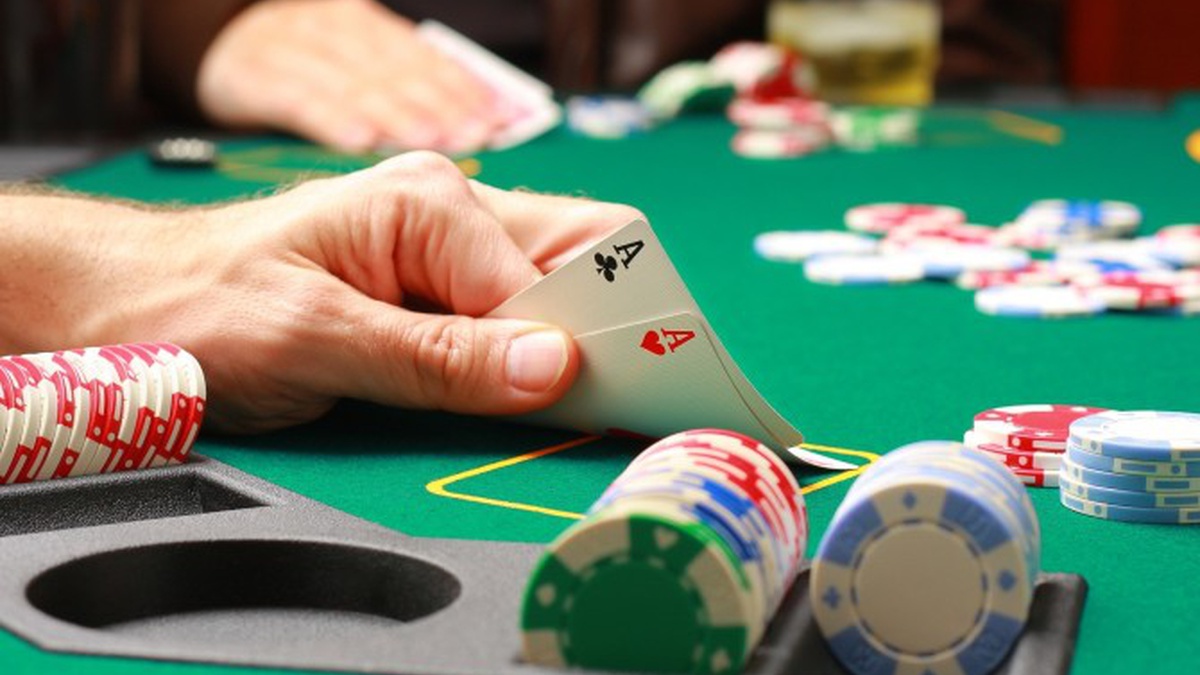
The Psychological Impact of Problem Gambling
Problem gambling is characterized by an inability to control the urge to gamble, leading to detrimental consequences. Mentally, those struggling with this addiction often experience heightened levels of anxiety and depression. This continual emotional struggle can become overwhelming, further complicating their ability to manage day-to-day life and relationships.
For many, the psychological ramifications do not stop at anxiety and depression. Problem gambling can lead to issues such as stress-related disorders and low self-esteem. The shame and guilt tied to gambling losses can exacerbate these feelings, creating a vicious cycle of mental health deterioration that is difficult to escape without professional intervention.
Recognizing Symptoms of Gambling Addiction
Identifying the symptoms of gambling addiction is the first step toward recovery. Some common indicators include preoccupation with gambling, an inability to limit gambling behavior, and sacrificing relationships or work responsibilities for the sake of gambling. Those affected may also find themselves lying about their gambling habits, often leading to isolation from family and friends.

Another red flag is the tendency to gamble more significant amounts in an effort to recoup losses. This behavior not only strains finances but also creates further mental health challenges. Awareness of these symptoms can enable both individuals and their loved ones to take critical actions, whether by initiating discussions about gambling habits or seeking professional help.
Strategies for Improving Mental Health While Gambling
While gambling carries risks for mental health, various strategies can help individuals engage with the activity more safely. Setting strict budgets, limiting time spent gambling, and taking regular breaks can mitigate some of the negative effects. It’s essential to approach gambling as a form of entertainment rather than a means to solve financial issues.
Additionally, seeking social support can significantly improve one’s mental health during gambling activities. Friends or support groups provide accountability and emotional grounding. Knowing that others are aware of your habits can reinforce responsible gambling practices and decrease the likelihood of overindulgence.
Seeking Help and Resources
If you or someone you know is struggling with the mental health effects of gambling, numerous resources are available for assistance. Many organizations offer counseling and support tailored to those affected by gambling addiction. These resources can help individuals regain control over their gambling habits and improve their overall mental well-being.
Websites dedicated to gambling support often provide information, community forums, and ways to connect with professionals. It’s essential to remember that reaching out for help is a sign of strength, and numerous pathways lead to recovery and a healthier lifestyle. Taking the first step can open doors to a more balanced approach to gambling and mental health.