

Exploring the psychology behind casino design
The Psychological Impact of Colors
Color psychology plays a significant role in casino design, where hues are meticulously chosen to evoke specific emotions and behaviors among patrons. For instance, warm colors such as red and gold are employed to create a sense of excitement and stimulation. These colors can increase heart rates and encourage players to engage more actively with neosurf online casino and tables, leading to longer play sessions. Research indicates that colors can influence mood and perception; thus, selecting the right palette is crucial for maximizing player engagement.
Moreover, the strategic use of colors extends beyond mere aesthetics. Certain colors can influence spending behavior; for example, casinos might employ vibrant hues in high-traffic areas to draw attention to specific games or promotional events. This intentional color placement helps to guide players’ decisions subconsciously, creating an environment that encourages them to gamble more. Over time, repeated exposure to these colors can elicit an almost habitual response, compelling patrons to associate vibrant hues with both thrill and reward.
In addition, color can affect decision-making processes in a casino, often steering players toward certain games. Research has suggested that colors can impact perceived value; for instance, gold is often associated with wealth and luxury, which might increase a player’s desire to engage with high-stakes games. As players feel more connected to the ambiance that these colors create, they may become more susceptible to the casino’s overall marketing strategies and less aware of their spending limits.
Spatial Design and Flow
The spatial design of a casino is intricately structured to maximize player engagement and retention. Casinos are often designed with an open floor plan that encourages movement while simultaneously creating a sense of discovery. This layout can evoke curiosity and allure, prompting players to explore different sections of the gaming floor and participate in various activities. Designers intentionally avoid direct lines of sight to exits, making it less likely for patrons to leave prematurely. This strategic flow is designed to create an immersive experience, where players lose track of time and their surroundings.
Furthermore, the arrangement of slot machines, tables, and other games is not random but carefully orchestrated to promote social interaction. By clustering certain games together, casinos capitalize on the social aspect of gambling, encouraging patrons to engage with friends or strangers. This sense of community can enhance the overall experience, making visitors more likely to stay longer and gamble more. Interestingly, researchers have found that when patrons feel a strong connection to their environment and fellow players, they are often less aware of their time and money spent, further enhancing revenue opportunities for the establishment.
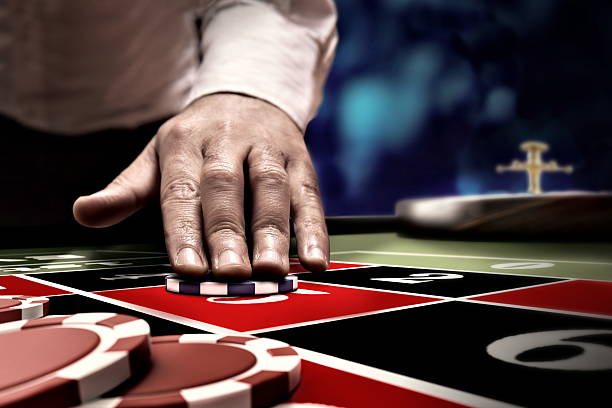
The design of walkways and pathways is another crucial element that plays into the psychology of casino-goers. Casinos often utilize winding paths that lead players through various gaming areas, fostering a sense of exploration rather than direct navigation. This winding design slows down movement and encourages players to take in their surroundings, increasing the likelihood of engaging with multiple gaming options. As patrons wander through this maze-like structure, they are often drawn to visually striking machines or promotional displays, inadvertently extending their visit and enhancing overall gambling participation.
The Soundscape of Gaming
The auditory environment of a casino is another critical aspect that influences player behavior. From the ringing of slot machines to the ambient sounds of laughter and conversation, the soundscape is carefully curated to reinforce the gaming experience. For instance, casinos often employ upbeat music and sound effects that evoke excitement and anticipation. Studies have shown that certain tempos and melodies can enhance feelings of pleasure and stimulate longer play sessions, making players less likely to notice the passage of time and their expenditure.
In addition, the sounds created by winning, such as the chimes from a jackpot or the sound of coins cascading, are designed to create positive reinforcement for players. These sound cues serve to heighten the thrill of winning and stimulate a continuous cycle of engagement. Players often find themselves returning to machines with familiar sounds, leading to a sense of loyalty toward particular games. This psychology of sound is expertly woven into the fabric of a casino’s design, showcasing how auditory elements can significantly impact player experience and retention.
Moreover, silence or low ambient noise is often strategically placed in certain areas, such as high-stakes gaming rooms, to invoke feelings of exclusivity and concentration. The stark contrast between raucous machine sounds and hushed surroundings can heighten the tension and importance of the games being played. This deliberate manipulation of sound encourages players to focus more intently on their decisions while also enhancing their emotional experience, ultimately guiding their behavior in nuanced and profound ways.
Lighting and Atmosphere
Lighting is one of the most potent tools in casino design, shaping the atmosphere and enhancing the overall gaming experience. Most casinos utilize a combination of bright and soft lighting, adjusting it according to the area and desired mood. Bright lights in gaming sections serve to energize players and create an electrifying atmosphere, while softer lighting in lounges encourages relaxation and socialization. This interplay of light can greatly influence a player’s state of mind and willingness to engage in gambling behaviors over time.
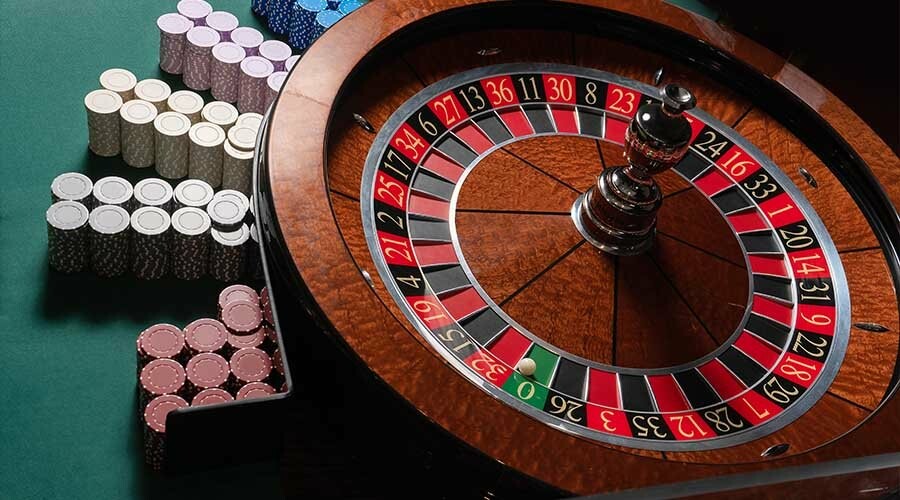
Furthermore, the strategic use of lighting can draw the eye to specific games or promotional areas. Spotlights may be used to highlight high-profile games or unique displays, directing foot traffic toward these key areas. The effect of lighting is amplified when paired with vivid colors, creating an alluring visual experience that captivates players and keeps them engaged. As patrons navigate through a myriad of illuminated options, they often become absorbed, increasing their chances of time and money spent in a casino.
Ambient lighting can also play a psychological role in regulating players’ emotions and behaviors. Soft, warm lighting might create a sense of comfort and safety, making players feel more at home within the environment. This comfort can lead to extended visit durations while also increasing the likelihood of impulsive spending. By creating an inviting atmosphere, casinos can subtly encourage patrons to indulge, explore deeper into their gaming offerings, and ultimately enjoy their experience, reinforcing a cycle of repeat visits and brand loyalty.
Understanding the Psychology of Casino Websites
As the gaming industry increasingly transitions into the digital space, understanding the psychological elements behind casino websites has become essential. The design of these online platforms incorporates many principles of traditional casino design, utilizing similar psychological strategies to attract and retain players. For example, vibrant colors and engaging graphics are employed to create an inviting atmosphere that mimics the excitement of a physical casino, drawing players into a world of exploration and anticipation.
Moreover, website navigation is thoughtfully constructed to streamline user experience, making it easy for players to find their favorite games or promotions. By minimizing friction in the user journey, casinos can heighten engagement and satisfaction, encouraging players to spend more time and money. This aspect of design is critical; a well-structured website creates a seamless experience that keeps players returning for more, thus increasing the casino’s profitability.
Additionally, the psychological tactics used on websites include personalized promotions and tailored experiences that cater to individual preferences. By analyzing player behavior and history, online casinos can provide targeted offers that resonate with users, making them feel valued and understood. This personalized approach not only fosters loyalty but also enhances the overall gaming experience, making players more inclined to return and continue their engagement with the platform, ultimately driving success for the casino.


