

The Unseen World of UK Horse Racing A Deep Dive into Off-Season Insights
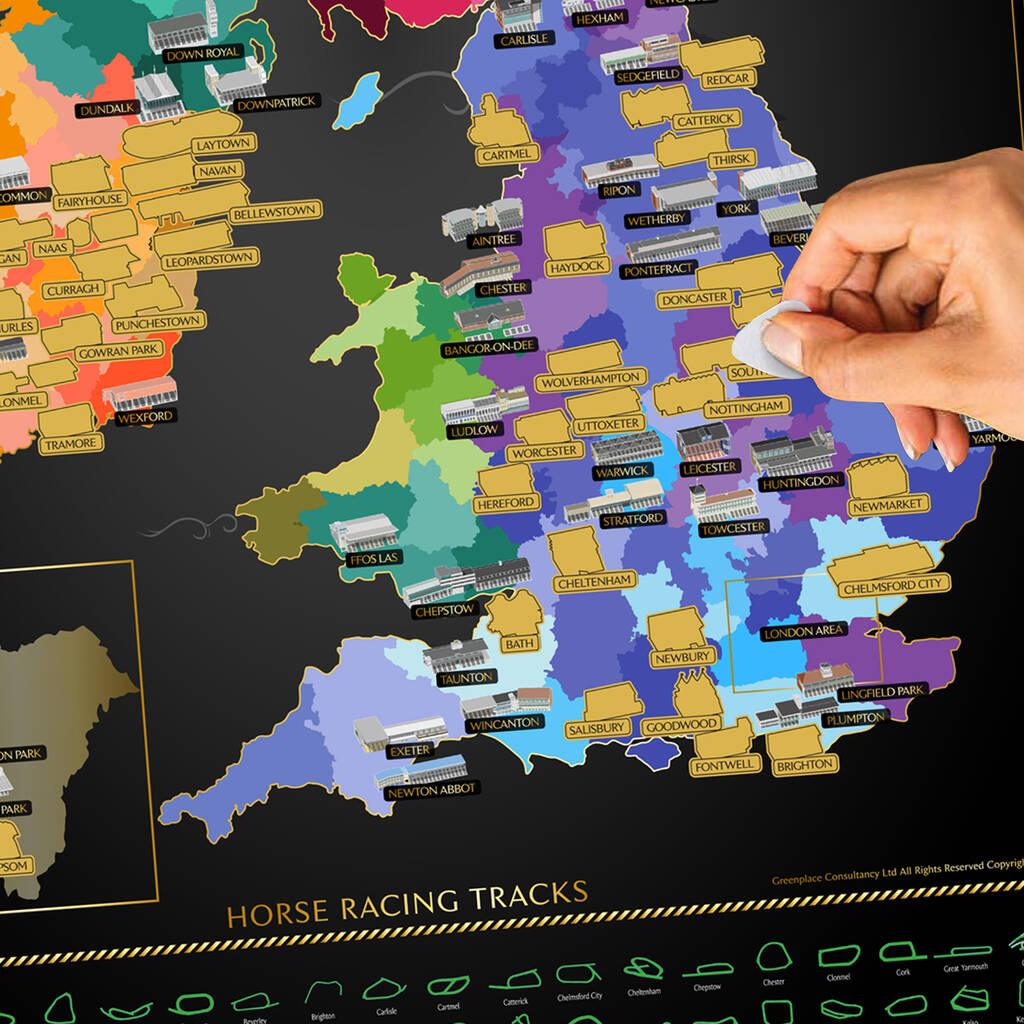
Horse racing, a sport steeped in tradition and excitement, often sees the public focused on the races themselves. However, when the tracks are quiet and the roar of the crowd fades away, there lies a vibrant world brimming with activity. This article aims to shed light on what happens in UK horse racing when it is not on. From training regimes to industry insights, and community engagement to equine care, we explore how this fascinating sport continues to thrive behind the scenes. For more on initiatives involving mounted police, visit UK horse racing not on GamStop merseysidepolicemounted.uk.
The Training Regime: A Year-Round Commitment
When races are not taking place, trainers are tirelessly working to prepare their horses for the next season. Training is a year-round commitment, and during the off-season, horses undergo rigorous conditioning to ensure they are in peak physical shape. Trainers often incorporate varied training methods, including long-distance runs, strength-building exercises, and routine health checks, to enhance performance. Each aspect of training is meticulously planned, accounting for the horse’s age, breed, and previous racing history.
Health and Well-being of the Equine Athletes
The welfare of racehorses is paramount in the UK racing industry. Veterinarians and equine specialists monitor the horses closely, ensuring they receive proper nutrition, veterinary care, and mental stimulation. Off-season is often a time when potential injuries are rehabilitated and preventative care is put into practice. This focus on holistic well-being helps ensure that horses return to the track fully rejuvenated and ready to compete at their best.
Behind the Scenes: The Unsung Heroes
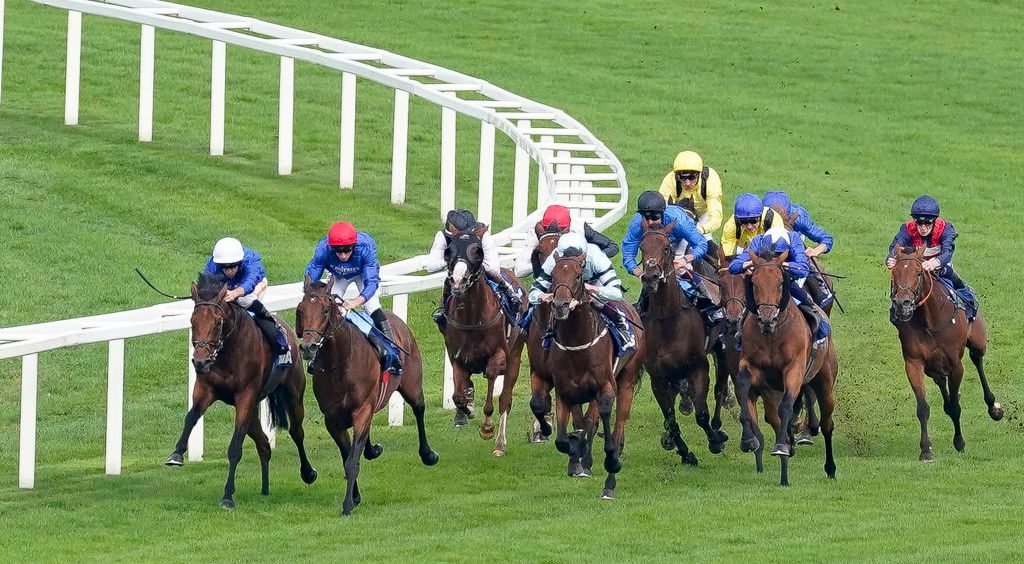
Beyond trainers and jockeys, a whole team of individuals plays vital roles in the success of horse racing. Grooms, exercise riders, veterinarians, and support staff contribute their expertise daily. Grooms, in particular, create close bonding with the horses, grooming and caring for them, ensuring they are fit and happy. These unsung heroes often work long hours to maintain the well-being of equine athletes, showcasing their dedication to the sport.
Community Engagement: Building Lifelong Bonds
The off-season also presents opportunities for community engagement. Many racing stables open their doors to the public, offering tours and educational programs. These initiatives aim to promote awareness about horse racing and equine care while fostering a connection between the community and the sport. Events like open days, charity events, and educational workshops provide a platform for fans and new enthusiasts to learn more about racing while contributing to the local economy.
The Role of Technology in Training and Care
With advancements in technology, the horse racing industry has adopted various innovative practices. Data analytics, wearable technology, and specialized fitness equipment are increasingly used for training and monitoring horse performance. This data-driven approach helps trainers adjust training regimens to suit individual horse needs, thus maximizing performance and minimizing the risk of injury. As technology continues to evolve, its impact on horse racing is undeniable.
A Glimpse into Equine Sports Psychology
Just like human athletes, racehorses require mental conditioning. Equine sports psychology is an emerging field that delves into the mental well-being of racehorses. It seeks to enhance the emotional and psychological health of equine athletes, helping them cope with the pressures of racing. This discipline examines horse behavior, stress management, and performance anxiety, contributing to overall success on the track.
Preparing for the Racing Season: A Collaborative Effort
The journey leading up to a racing season is a collaborative effort among owners, trainers, veterinarians, and jockeys. Regular meetings and discussions help assess the readiness of horses, plan training schedules, and set goals for upcoming races. Every stakeholder has a vested interest in ensuring that each horse is prepared to compete at its best. The excitement builds as the season approaches, and the passion for the sport ignites anew.
Equine Retirement and Transition into Second Careers
Not all horses go on to have long racing careers. Understanding the importance of equine retirement is crucial for horse racing stakeholders. Many racehorses are transitioned into second careers, whether in pleasure riding, therapy work, or even as show horses. The off-season is a time when discussions about retirement and rehoming take place, emphasizing the responsibility of owners and trainers in ensuring horses find appropriate and fulfilling new lives post-racing.
Conclusion: The Enduring Spirit of Horse Racing
Even when horse racing is not on the surface, the spirit of the sport remains. Behind the scenes, a dedicated community works tirelessly to ensure that horse racing thrives and continues to capture the hearts of fans. Whether it’s through training, caring for equine athletes, engaging with the public, or advocating for the welfare of horses, the passion for this sport endures. As the season approaches, the anticipation builds, but the off-season contributions lay the groundwork for a successful future in UK horse racing.