

Cultural views on gambling A global perspective on beliefs and practices
Cultural views on gambling A global perspective on beliefs and practices
Historical Context of Gambling
The history of gambling dates back thousands of years, with evidence suggesting its existence in various ancient civilizations, from China to Rome. Initially, it was often intertwined with religious practices and social rituals, reflecting a society’s beliefs and values. Many cultures used gambling as a means of decision-making, believing that chance could reveal divine will or fate. In modern contexts, players can explore exciting offers, such as the Alf Casino welcome bonus, enhancing their gaming experiences.

As societies evolved, so did their perceptions of gambling. In some cultures, it became a form of entertainment and community bonding, while in others, it was viewed with skepticism and moral concern. This dichotomy often reflects deeper societal values, such as the balance between risk-taking and responsibility, highlighting the complex relationship between humans and chance.
Religious Perspectives on Gambling
Different religions have varying stances on gambling, impacting cultural views significantly. For instance, in Christianity, gambling is often associated with greed and moral decay, leading to prohibitions in many denominations. In contrast, some branches of Buddhism may view gambling as a distraction from spiritual growth, yet it is not uniformly condemned.
Islam takes a strong stance against gambling, categorically deeming it haram, or forbidden. This stance has shaped cultural views in predominantly Muslim societies, where gambling is illegal and carries social stigma. The clash between religious beliefs and the allure of gambling creates ongoing tension in these cultures.
Regional Attitudes and Practices
Regional attitudes toward gambling can vary widely, influenced by historical, economic, and social factors. In the United States, for example, gambling is legalized in many states, resulting in a vibrant industry that thrives on tourism and entertainment. Casinos, lotteries, and online gambling have become mainstream, reflecting a shift towards acceptance and normalization.
In contrast, countries like Japan have a more restrained approach, where gambling is legally restricted, yet underground activities exist. Cultural attitudes in these regions often emphasize discipline and caution, creating a complex relationship with gambling that is shaped by both traditional values and modern influences.
Societal Impacts of Gambling
The societal impacts of gambling are profound and multifaceted. On one hand, legalized gambling can generate significant revenue for governments and create jobs in tourism and hospitality sectors. This economic benefit often leads to a more favorable view of gambling within communities that rely on these industries.
On the other hand, gambling addiction and its consequences can strain social services and family structures. Awareness campaigns and support systems have become increasingly important in addressing these challenges, reflecting a growing recognition of gambling’s potential negative effects on individuals and communities.
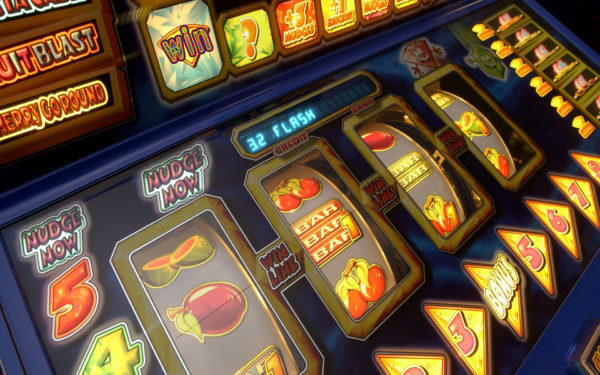
Alfcasino and Modern Gambling Trends
Alfcasino, a modern online casino and sportsbook, exemplifies how technology is reshaping gambling practices today. Launched to cater specifically to players in New Zealand, it offers an extensive range of games and betting options, reflecting the growing acceptance and integration of gambling into daily life.
The platform’s commitment to user experience and customer support is indicative of a broader trend in the gambling industry, where operators focus on creating a seamless and enjoyable environment for players. As gambling continues to evolve in the digital age, sites like Alfcasino demonstrate the intersection of entertainment, technology, and cultural attitudes towards this age-old practice.


